Refinery Sludge / Coal Tar Sludge Treatment Plant
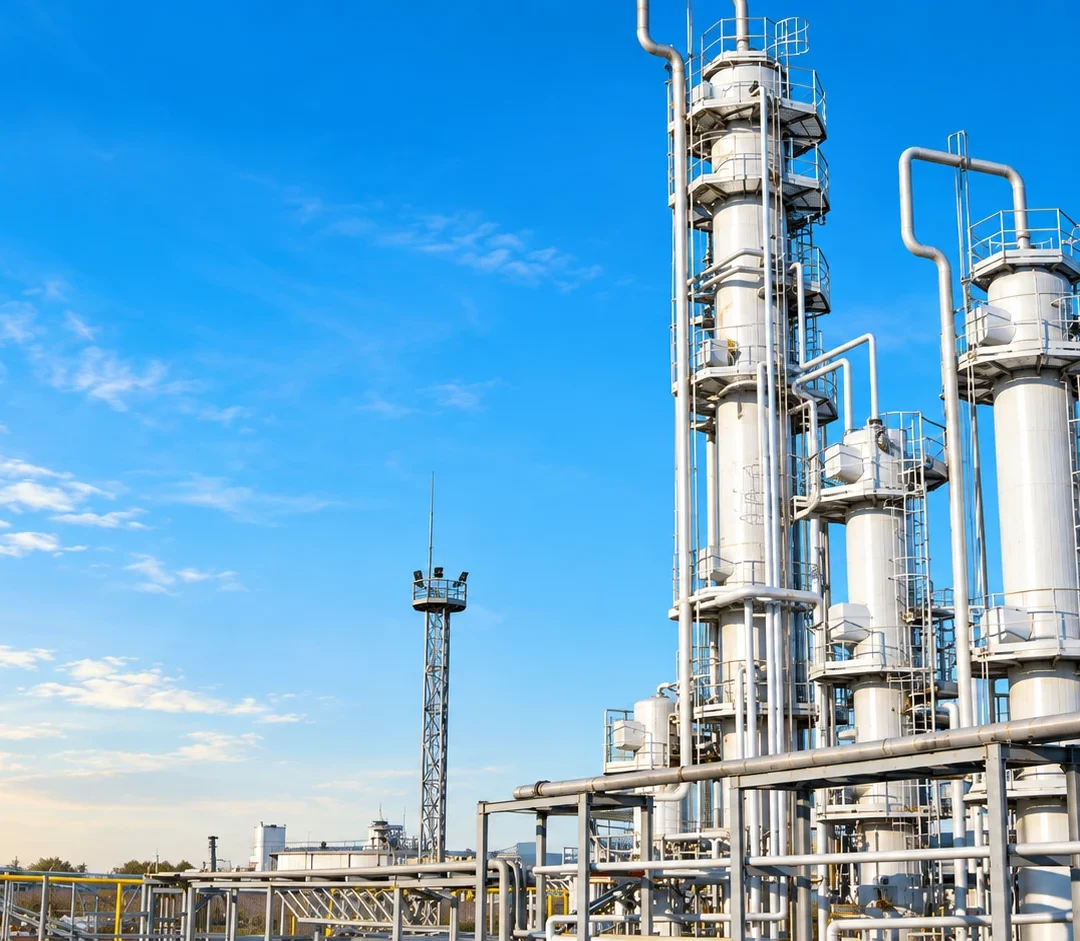
Refinery Sludge / Coal Tar Sludge Treatment Plant is an advanced waste-to-energy solution designed for the treatment and resource recovery of complex hydrocarbon-rich wastes generated by refineries, petrochemical industries, coking operations and other industrial processes.
The system utilizes Supercritical Fluid Gasification / Supercritical Water Gasification (SCWG) technology to process difficult-to-treat organic waste streams and convert their organic fraction into valuable gaseous products such as hydrogen-rich syngas, while reducing the volume and environmental impact of residual waste. Research has demonstrated the potential of SCWG for oily sludge treatment and hydrogen production, including applications involving coal-tar residues.
Click on the ‘Read More’ button to view detailed product information about Refinery Sludge.


Refinery Sludge Treatment
Refinery sludge is a complex semi-solid waste containing varying proportions of petroleum hydrocarbons, water, organic compounds, heavy metals and inorganic solids. Conventional disposal methods can create environmental and regulatory challenges because of its hydrocarbon content and contaminant load.
Our advanced refinery sludge treatment system provides an integrated pathway for waste conversion and resource recovery, helping industries move from conventional waste disposal toward a circular economy and waste-to-energy model.
Key Challenges Addressed
- Hydrocarbon-rich refinery sludge
- Complex organic contaminants
- Heavy-metal-containing waste streams
- High disposal and transportation requirements
- Environmental contamination risks
- Limited conventional disposal options
- Loss of potentially recoverable energy resources
Coal Tar Sludge Treatment
Coal tar sludge and coal tar residues contain complex organic compounds and carbon-rich materials that require specialized treatment. Supercritical water gasification provides a promising route for converting coal-tar residues into gaseous products while reducing the hazardous organic fraction. Recent research has demonstrated hydrogen production and high carbon conversion from coal-tar residue using SCWG.
Our technology is designed around the principle of:
Waste → Supercritical Processing → Gasification → Energy & Resource Recovery
Supercritical Fluid Gasification
Advanced Technology for Complex Waste Streams
Supercritical Water Gasification (SCWG) uses water at conditions above its critical point—approximately 374°C and 22.1 MPa—where its properties enable rapid processing of organic materials.
For oily and hydrocarbon-rich sludge, SCWG can convert organic carbon into gaseous products including H₂, CO₂, CO and CH₄.
Process Flow
Refinery / Coal Tar Sludge
↓
Waste Collection & Pre-Treatment
↓
Supercritical Fluid / Water Processing
↓
Gasification Reactor
↓
Gas–Liquid Separation
↓
Syngas / Hydrogen-Rich Gas + Mineralized Water + Inert Solids
How the Treatment Process Works
01. Waste Input
Refinery sludge, oily sludge, coal tar sludge and other suitable hydrocarbon-rich waste streams are collected and prepared for processing.
02. Pre-Treatment
The incoming waste undergoes appropriate preparation to achieve suitable feed conditions for the treatment process.
03. Supercritical Processing
The prepared waste is introduced into the supercritical processing system, where elevated temperature and pressure facilitate the breakdown of complex organic compounds.
04. Gasification
The organic fraction is converted into gaseous products. Depending on the feedstock and operating conditions, the resulting gas can contain hydrogen, methane, carbon monoxide and carbon dioxide.
05. Separation
The process stream is separated into useful gas products, treated water and mineral/inorganic residues.
06. Resource Recovery
The resulting gas can be further treated or upgraded according to the intended application, while treated water and solid residues can undergo appropriate downstream management.
Key Benefits of Refinery Sludge Treatment
Waste to Energy
Convert the organic fraction of difficult industrial wastes into useful gaseous energy products.
Hydrogen-Rich Gas Production
SCWG can produce hydrogen-containing gas from oily sludge and other organic-rich waste streams.
Reduced Hazardous Waste
Helps reduce the organic and hydrocarbon burden associated with conventional sludge disposal.
Resource Recovery
Transforms waste streams into potentially valuable energy, gas and recoverable resources.
Reduced Dependence on Conventional Disposal
Provides an alternative pathway to landfilling, incineration and other conventional sludge-management approaches.
Suitable for Complex Waste
Supercritical processing is particularly relevant to wet, organic-rich waste streams where conventional thermal treatment can require energy-intensive drying.
Circular Economy Solution
Supports the transition from waste disposal to waste valorization, recovering value from industrial waste.
Key Advantages
01 — Advanced Technology
Supercritical fluid technology for challenging organic and hydrocarbon-rich waste streams.
02 — Waste-to-Energy
Converts organic waste into useful gaseous energy products.
03 — Resource Recovery
Supports recovery of energy and other valuable outputs from industrial waste.
04 — Environmental Management
Helps reduce the environmental burden associated with untreated or improperly managed sludge.
05 — Flexible Feedstock Potential
Applicable to selected refinery sludge, oily sludge, coal tar residue and other suitable organic waste streams after feed characterization.
06 — Integrated Processing
Combines waste treatment, gasification and downstream separation into an integrated process concept.
Suitable Waste Streams
The system can be evaluated for applications involving:
- Refinery Sludge
- Oily Sludge
- Coal Tar Sludge
- Coal Tar Residue
- Petrochemical Waste
- Oil & Gas Industry Waste
- Hydrocarbon-Rich Industrial Waste
- Organic Industrial Sludge
- Wastewater Treatment Sludge with High Organic Content
- Complex Liquid/Solid Organic Waste Streams
Actual suitability should be established through feedstock characterization and process testing.
Applications
Oil Refineries
Treatment and valorization of refinery oily sludge and hydrocarbon-rich residues.
Petrochemical Industries
Processing of complex organic and hydrocarbon-containing industrial wastes.
Coal & Coking Industries
Treatment and resource recovery from coal tar residues and related waste streams.
Oil & Gas
Management and energy recovery from selected oily and hydrocarbon-rich wastes.
Waste-to-Energy Plants
Conversion of suitable organic waste streams into energy-rich gas.
Industrial Waste Management
Advanced treatment for difficult-to-manage organic waste streams.